
Community Mental Health Program
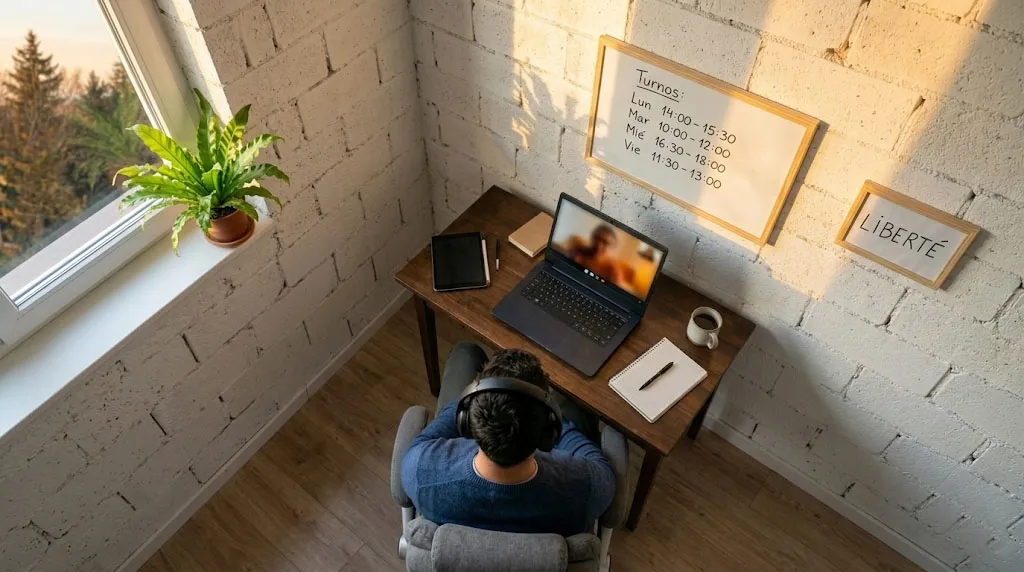
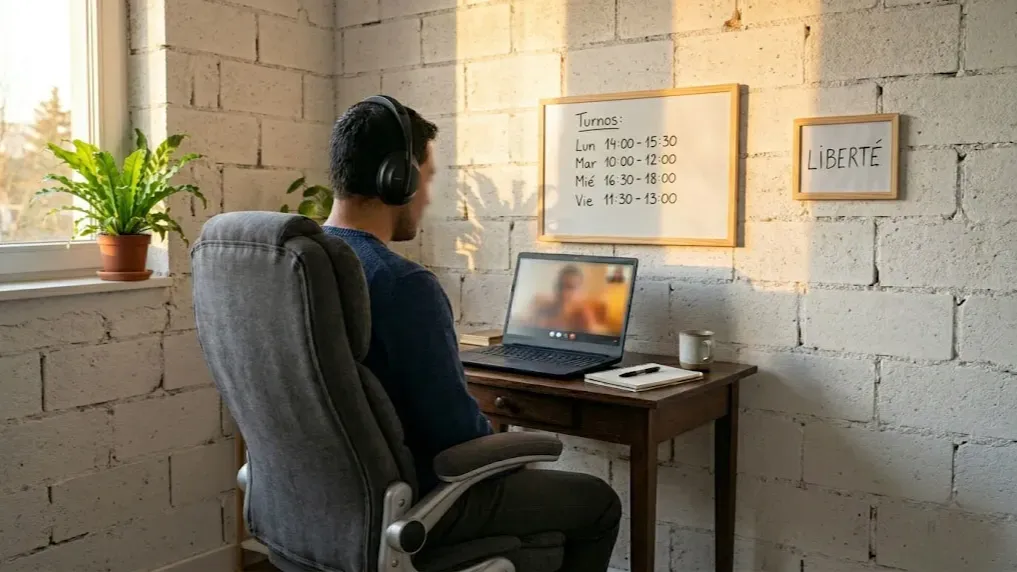
Psychological care for people in prison through videoconference, with committed professionals and comprehensive care.
Mental Health
Professional attention
The pilot
The pilot that opened the way to the permanent program
Between October 2025 and May 2026, the setup was tested with concrete results.
People attended
Months of duration
Assessment sessions + treatment sessions
Care by videoconference
Issues Addressed
The program aims to address situations of psychological suffering inherent to the context of confinement.
Anxiety and stress due to deprivation of liberty
Duels and losses
Interpersonal conflicts
Consumption Issues
Family settings affected by lockdown
Other situations of psychological suffering
How does it work?
First contact
The member expresses their interest to the Health Facilitator, who coordinates the appointment scheduling and assigns the professional.
Assessment and guidance
Up to 4 initial meetings to assess the situation and define the treatment goals.
Treatment
Therapeutic sessions via videoconference, up to 12 sessions with objectives defined between the professional and the client.
Closure and referral
Concise report upon completion. If the situation exceeds the scope, the professional arranges referral to other services.
Referral (if applicable)
If the clinical situation exceeds the scope of the program, the professional manages the referral to other support services, such as psychiatry or community health networks.
Professional team
Who provides care
Mental health field workers distributed across different parts of the country, who dedicate part of their practice to the program at solidarity rates. The team is interdisciplinary and adapts to the clinical situations it addresses.
Idea and general coordination
Ricardo Augman, MSc
Clinical psychologist. Designs and coordinates Liberté's Community Mental Health Program since its origin as a pilot plan. Articulates communication between professionals, the Health Facilitator, and those consulting to sustain the clinical regularity of the setup.
Service Guarantees
A professional service with the highest standards of confidentiality and care.
Who sustains it
Cooperativa Liberté
Cooperativa Liberté sustains the program: it provides the physical space, connectivity, appointment management and comprehensive coordination through its Health Facilitator, with community support.
Mutual AMI
Mutual AMI handles the administrative coordination of solidarity-rate fee management for the professionals who sustain the care.
Editorial coverage
Voices, balances, and interviews from the program
The context
Readings that engage with the program
Notes that are not part of the Community Mental Health Program, but address the themes that run through it: isolation, rights, dignity, and penitentiary policies.

The Mental Health Program represents a concrete commitment to the right to mental health for people deprived of their liberty. Through connectivity, cooperative self-management, and professional solidarity, it demonstrates that it is possible to provide quality psychological care even in confinement settings.
Mental health is a right
Connectivity and professional solidarity make psychological care possible where it is needed most.